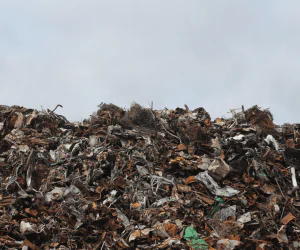
As the new year kicks off and the hospitality industry gears up for another busy year, many hotels are taking the opportunity to refresh their spaces with renovations. January is often a quieter period after the holiday rush, making it an ideal time to tackle those refurbishment projects. But before the hammers start swinging and the old furniture gets hauled away, it’s crucial to consider the environmental impact of your renovation. The hospitality industry is a major contributor to waste, with hotel refurbishments generating a significant amount of debris. However, by planning ahead and implementing sustainable practices, hotels can minimise their environmental impact and even turn their waste into a resource.
Here are some tips for planning a hotel refurbishment with sustainability in mind:
Reduce:
- • Assess your needs carefully. Before you start ripping out everything, take a good look at what you already have. Can any furniture, fixtures, or fittings be repaired or repurposed? Are there any spaces that could be reconfigured instead of being completely remodelled?
- • Choose durable, long-lasting materials. When you do need to replace items, choose materials that will stand the test of time. This will help to reduce the need for future replacements and minimise waste.
- • Minimise the use of hazardous materials. Avoid using materials that contain harmful chemicals, such as asbestos or lead paint. These materials can be expensive and difficult to dispose of safely.
Reuse:
- • Donate or sell unwanted items. Furniture, appliances, and other items that are still in good condition can be donated to charities or sold online or through second-hand stores.
- • Use salvaged materials. Look for opportunities to incorporate salvaged materials into your refurbishment project. This could include using old wood for flooring or countertops or repurposing old doors or windows into decorative elements.
- • Work with local artisans. Collaborate with local artisans to create unique and sustainable pieces for your hotel. This will help to support the local economy and reduce your reliance on mass-produced goods.
Recycle:
- • Develop a comprehensive recycling plan. Work with a waste management company to develop a plan for recycling all of the waste generated during your refurbishment project. This will ensure that all recyclable materials are properly sorted and processed.
- • Choose recyclable materials. When selecting new materials for your refurbishment project, give preference to those that can be recycled at the end of their useful life. Look for materials with a high recycled content and consider those that are part of a take-back scheme, where the manufacturer will reclaim the materials for recycling or reuse.
- • Educate your staff. Train your staff on the importance of recycling and how to properly sort waste materials.

By following these tips, hotels can plan refurbs that are not only good for the environment but also good for business. Sustainable practices can help hotels to:
- • Reduce costs. Recycling and reusing materials can save hotels money on waste disposal fees and the purchase of new materials.
- • Improve their brand image. Consumers are increasingly interested in supporting businesses that are committed to sustainability. By implementing sustainable practices, hotels can attract eco-conscious guests and improve their brand image.
- • Comply with regulations. Many countries and municipalities have regulations in place regarding waste disposal and recycling. By following these regulations, hotels can avoid fines and penalties.
Planning a hotel refurbishment can be a daunting task, but it is also an opportunity to make a positive impact on the environment. By following these tips, hotels can ensure that their refurbs are not only successful but also sustainable.
In addition to the tips above, here are some other resources that you may find helpful:
- The Ellen MacArthur Foundation: https://www.ellenmacarthurfoundation.org/
- The Circular Economy Coalition: https://circulareconomycoalition.org/
- The Green Business Guide: https://www.ilo.org/publications/green-business-guide
By working together, we can create a more sustainable hospitality industry for the future.